

AN ATMOSPHERIC SPRING FIRING - SALT KILN
Our salt fire class kicked off with an hour-long presentation covering the science, mystery, and occasional chaos of salt firing. We talked reduction firing, flashing, carbon trapping, and all the weird magical things that happen when you throw salt into a 2200 degree kiln on purpose. There were slides, sample pots, glaze talk, and plenty of “wait… THAT did that?” moments.
After that we spent another hour or so in Q&A, talking through people’s goals, glaze choices, and desired effects. Everyone also made a full set of glaze test tiles for the firing because atmospheric kilns love surprises and it’s better to be at least slightly prepared.
Over the next three weeks, questions flew back and forth while people planned their pieces and firing strategies. Meanwhile, about 30 pounds of wadding got mixed up to keep pots from welding themselves permanently to the kiln shelves, and another 30 pounds of salt/soda/sawdust got wrapped into newspaper burritos for later sacrifice to the fire gods.
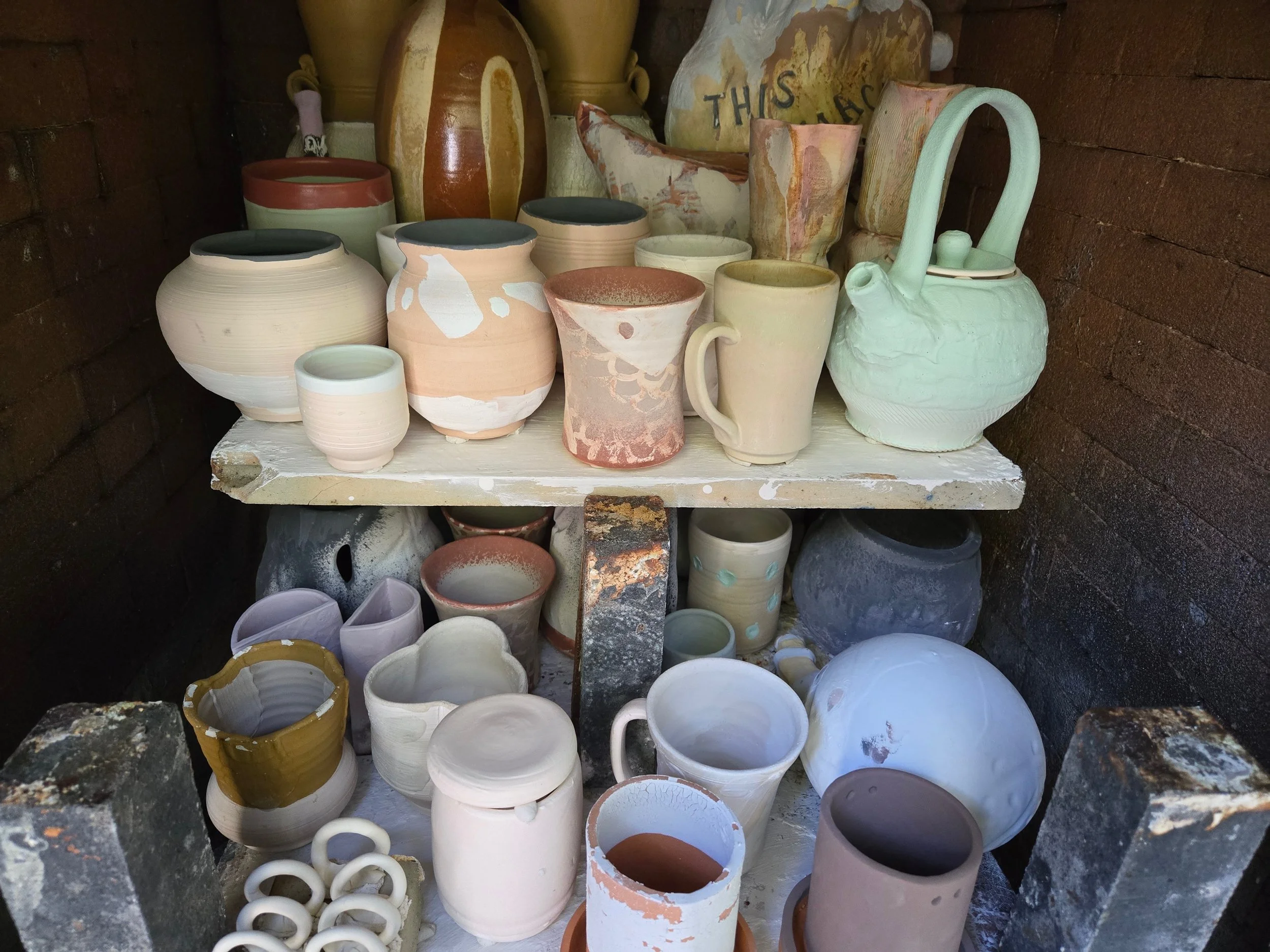
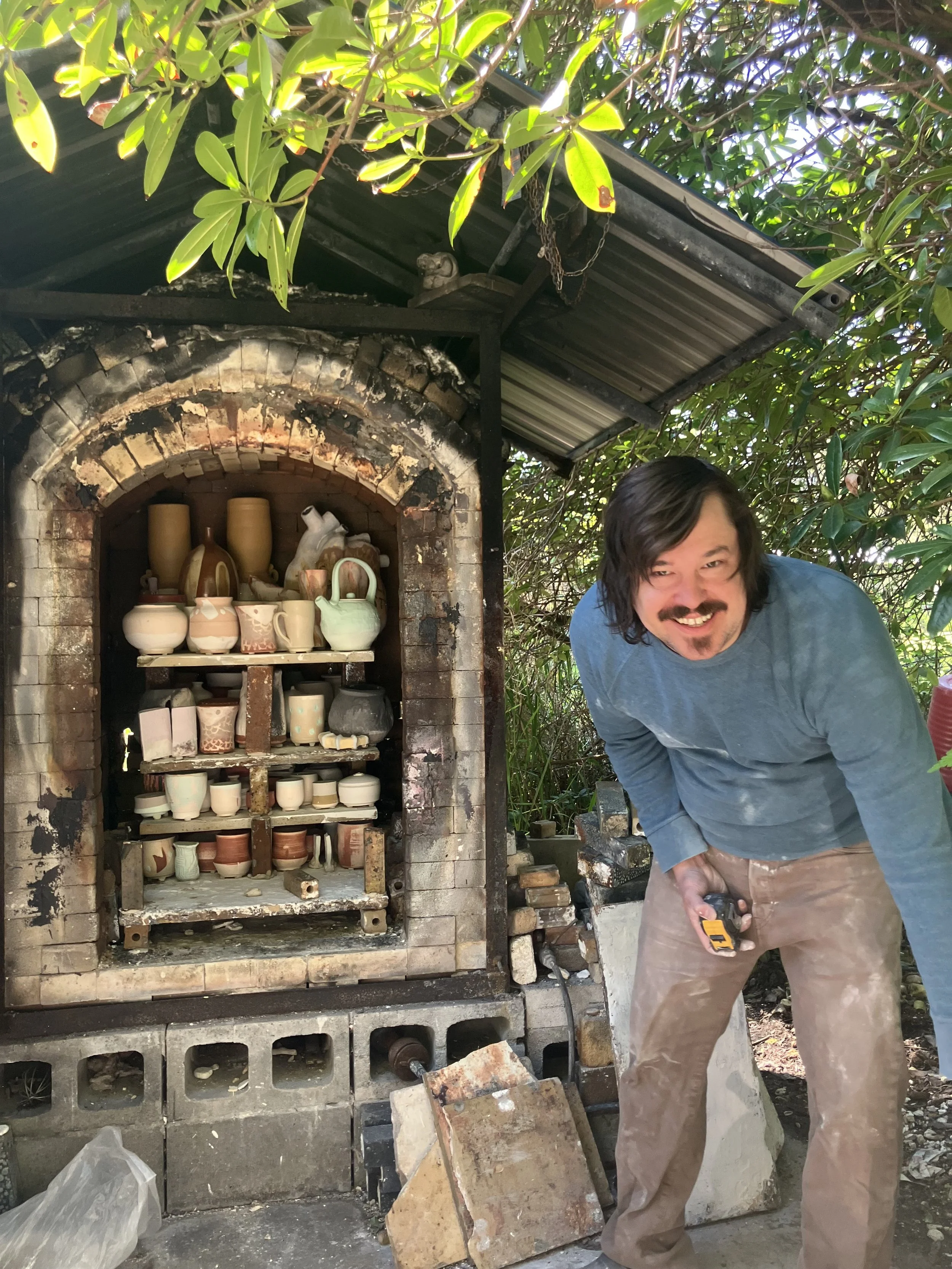
Saturday morning we loaded the kiln slowly and strategically, trying to maximize flashing, movement, and interesting effects. Then the kiln candled overnight with one burner running low, slowly bringing the temperature up to around 1200 degrees.
Early the next morning David cranked the gas and brought the kiln into body reduction around 1400 degrees. By the time the class arrived around 10am, we were already near 2000 degrees and started feeding salt burritos into the firebox with angle iron like some kind of medieval ceramics ritual.
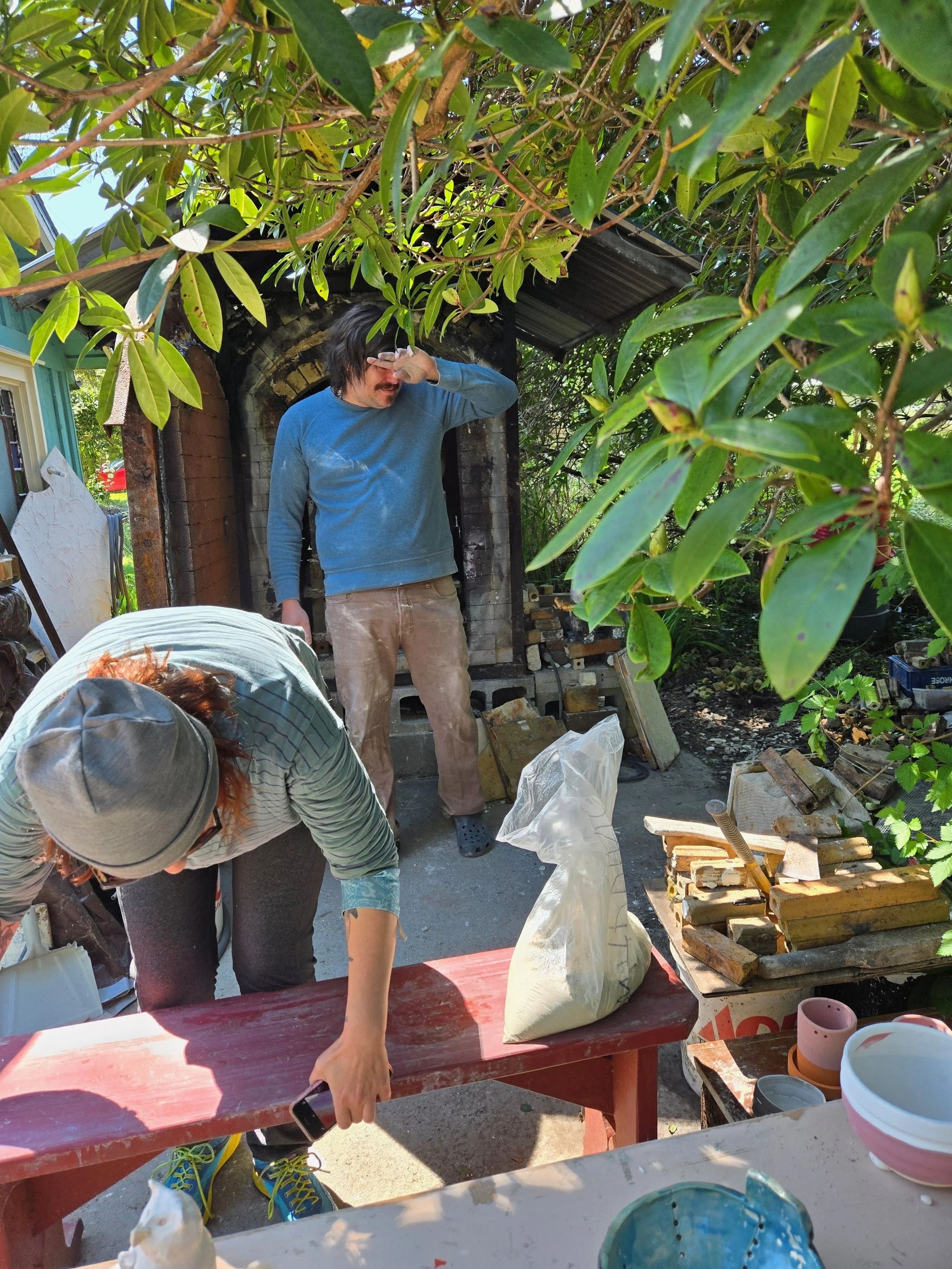
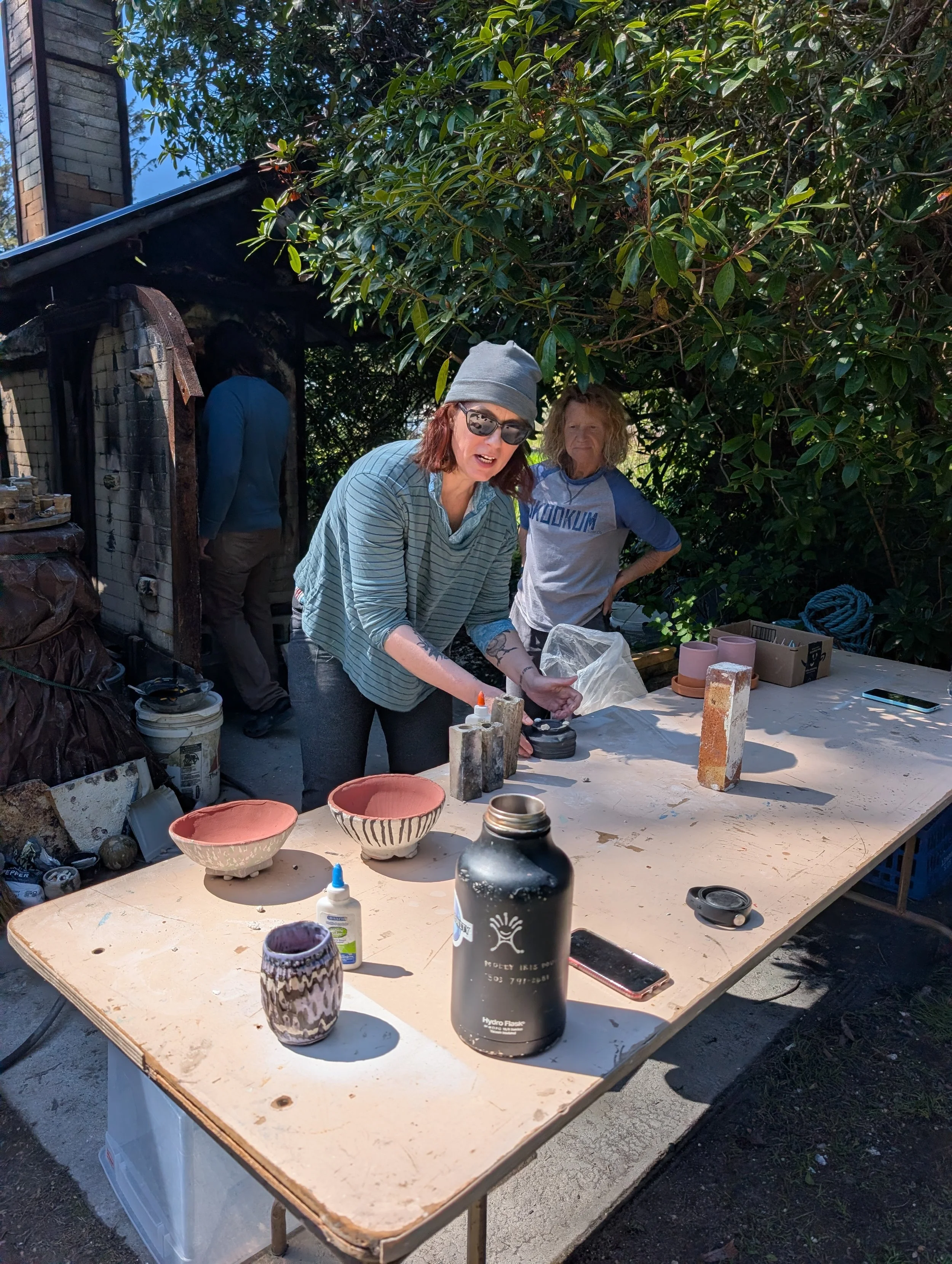
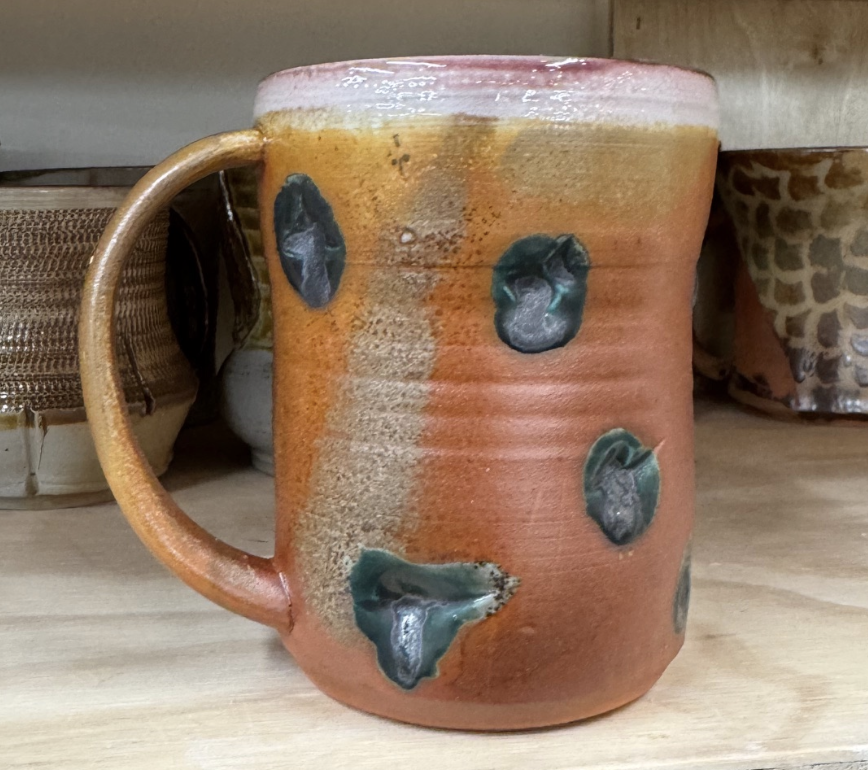
By cone 6 we had dropped all the salt. At cone 6.5 we shut everything down, sealed the kiln tight, and collectively tried not to think too hard about whether it all worked.
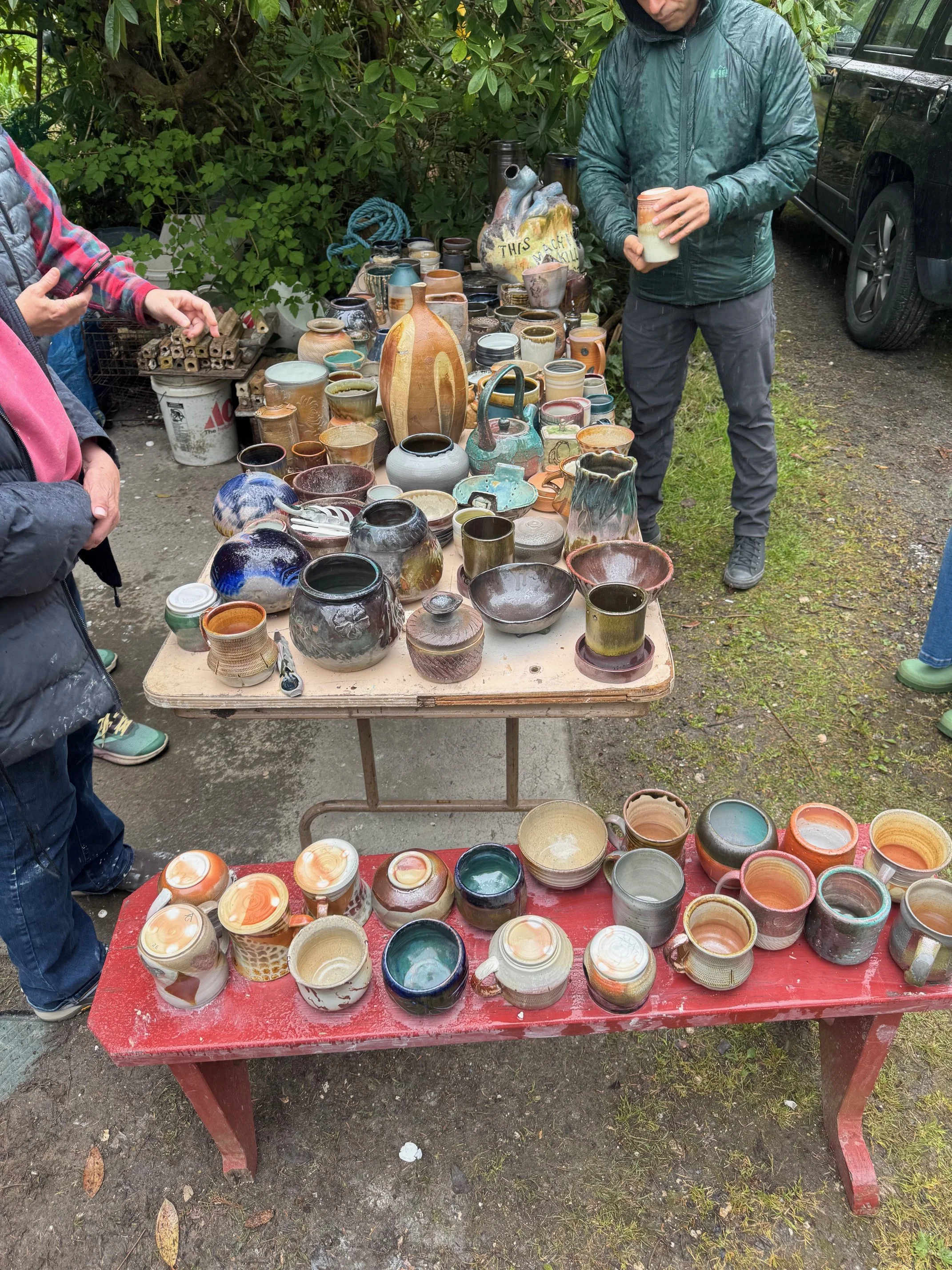
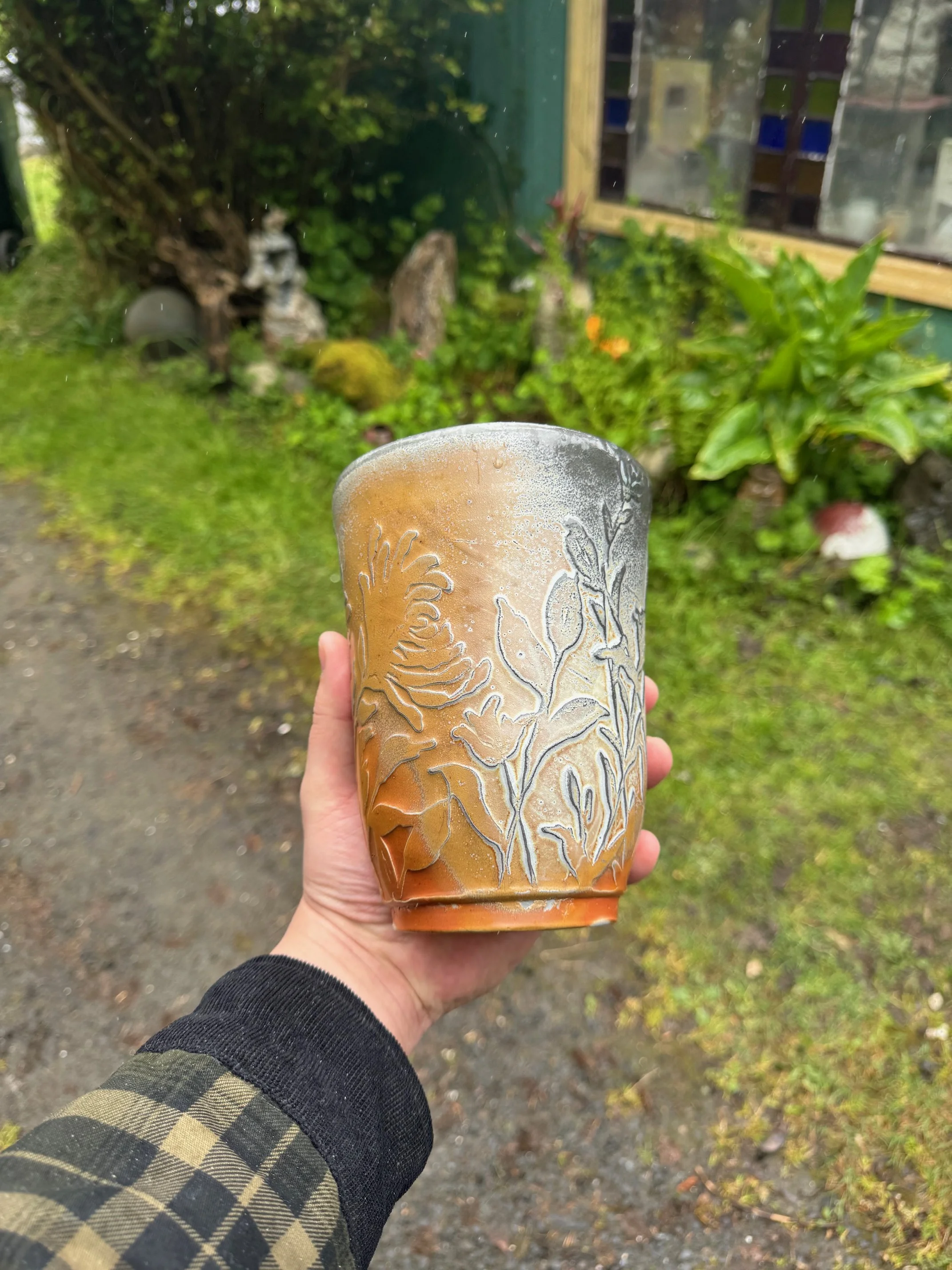
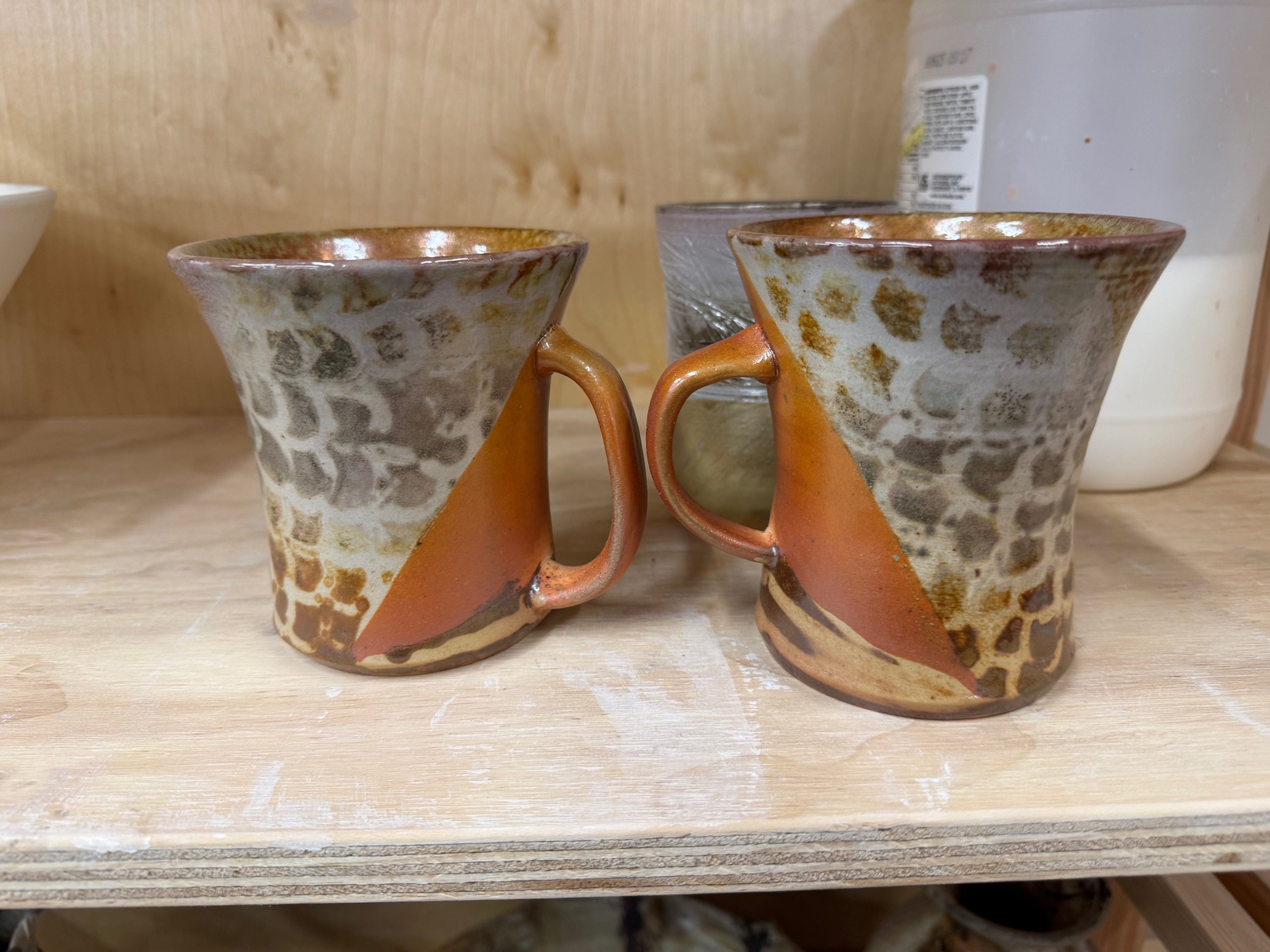
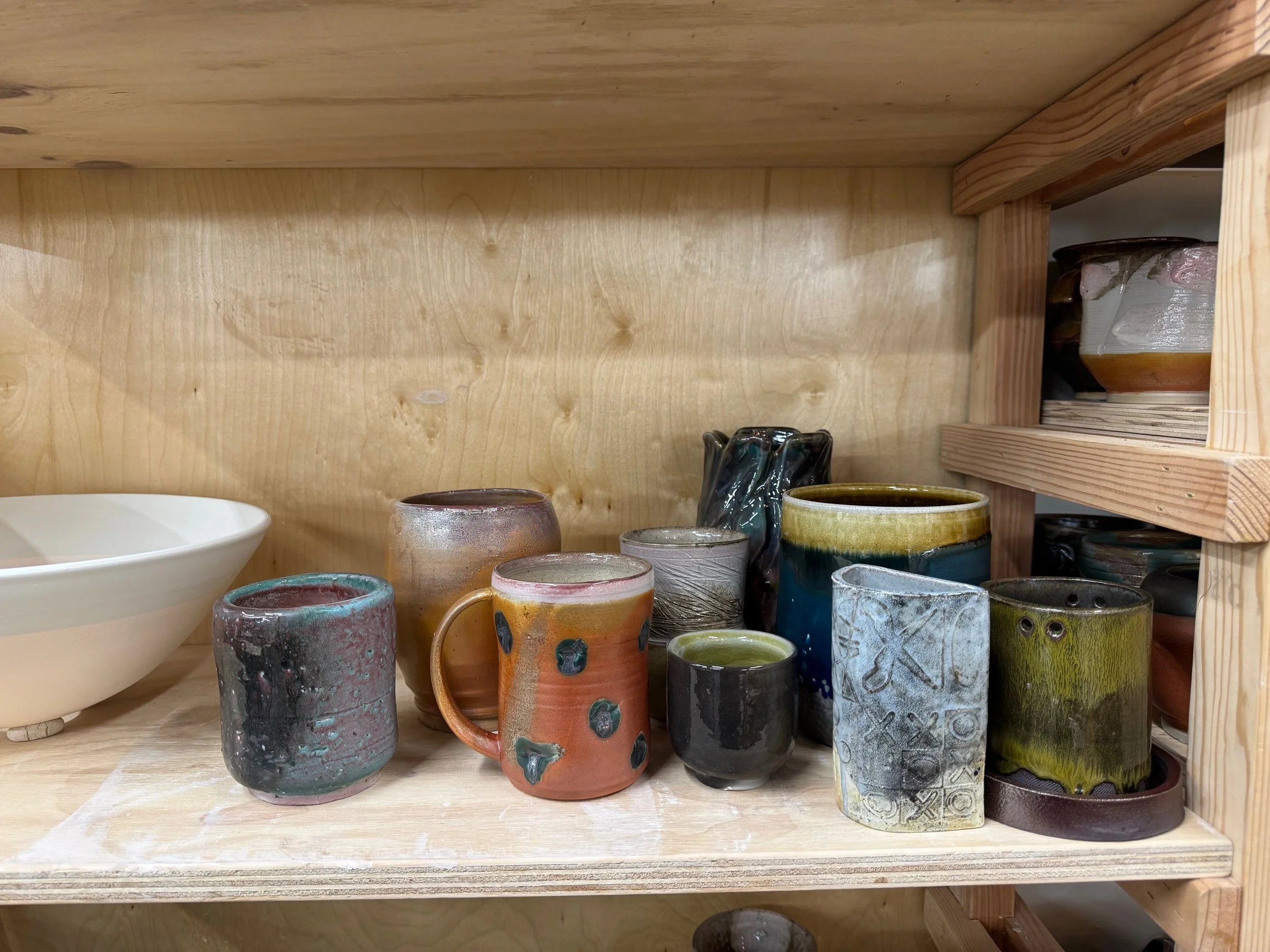
The next morning a whole crew of members, students, neighbors, friends, and family showed up to unload the kiln and gawk at the freshly minted pots. Since then we’ve had everything spread out in the study comparing notes, admiring surfaces, and trying to pretend we totally meant for all of those effects to happen.
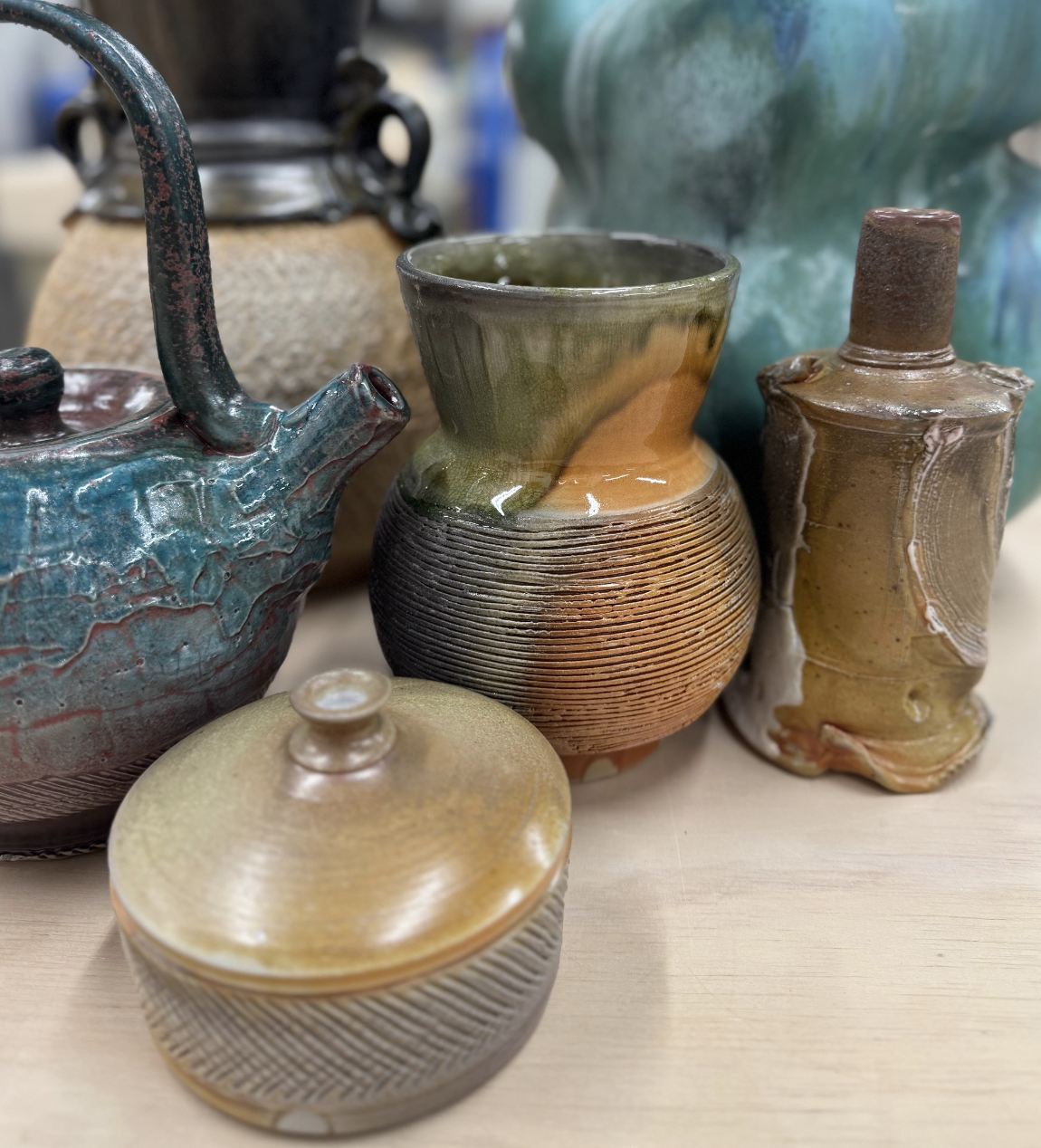
Special thanks to David Campiche for his kindness and the generous use of his kiln